
Which Is Better for Your Office: Colour or Monochrome Printers?

Introduction: Selecting Print Technology Based on Your Requirements
The best option will depend on how your company uses prints, how frequently colour is needed, and how much you want to spend over time. The purpose of this article is to help office managers, procurement leads, and IT personnel make decisions that are in line with workflow, budget, and usage patterns by explaining the trade-offs between colour and monochrome printers.
We start by defining "colour" and "mono" printers before contrasting their benefits, drawbacks, and actual costs. We next go over typical misconceptions and choice factors before concluding with advice specific to various office types.
What are Colour Printers and Mono Printers?
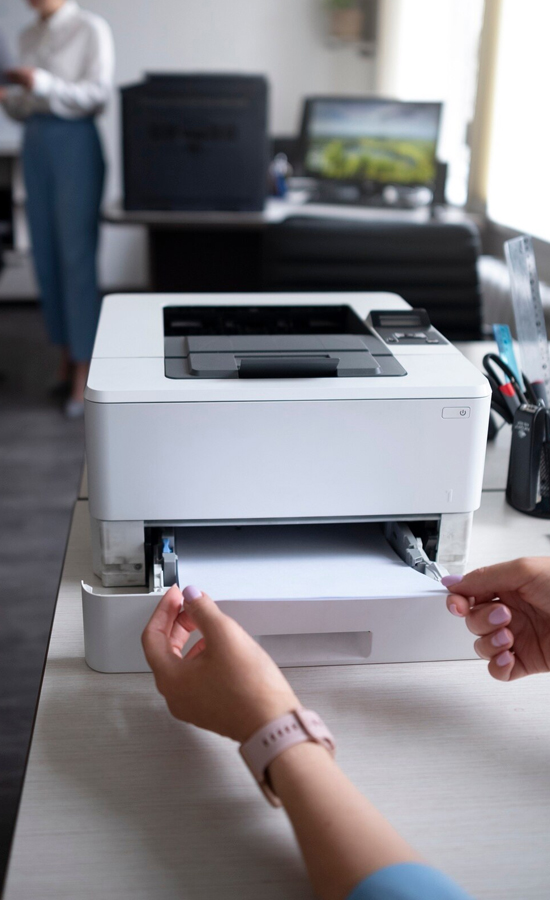
What are Colour Printers and Mono Printers? They have a single toner or ink channel, making their mechanics simple and requiring fewer consumables. Mono printers used in businesses are typically laser or LED printers.
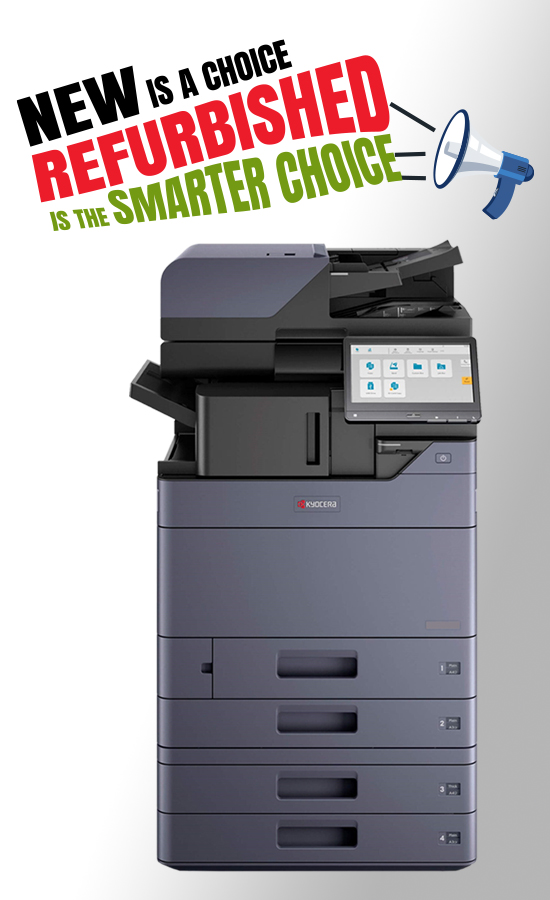
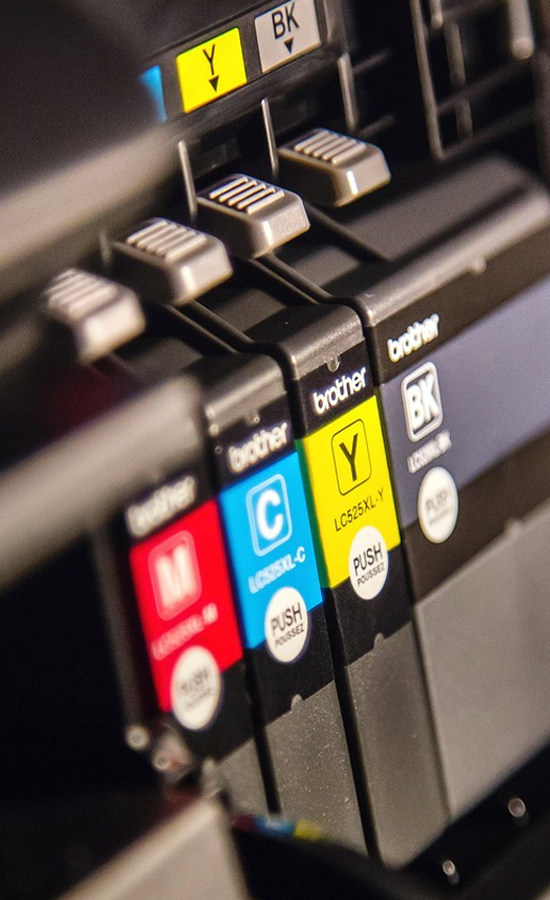
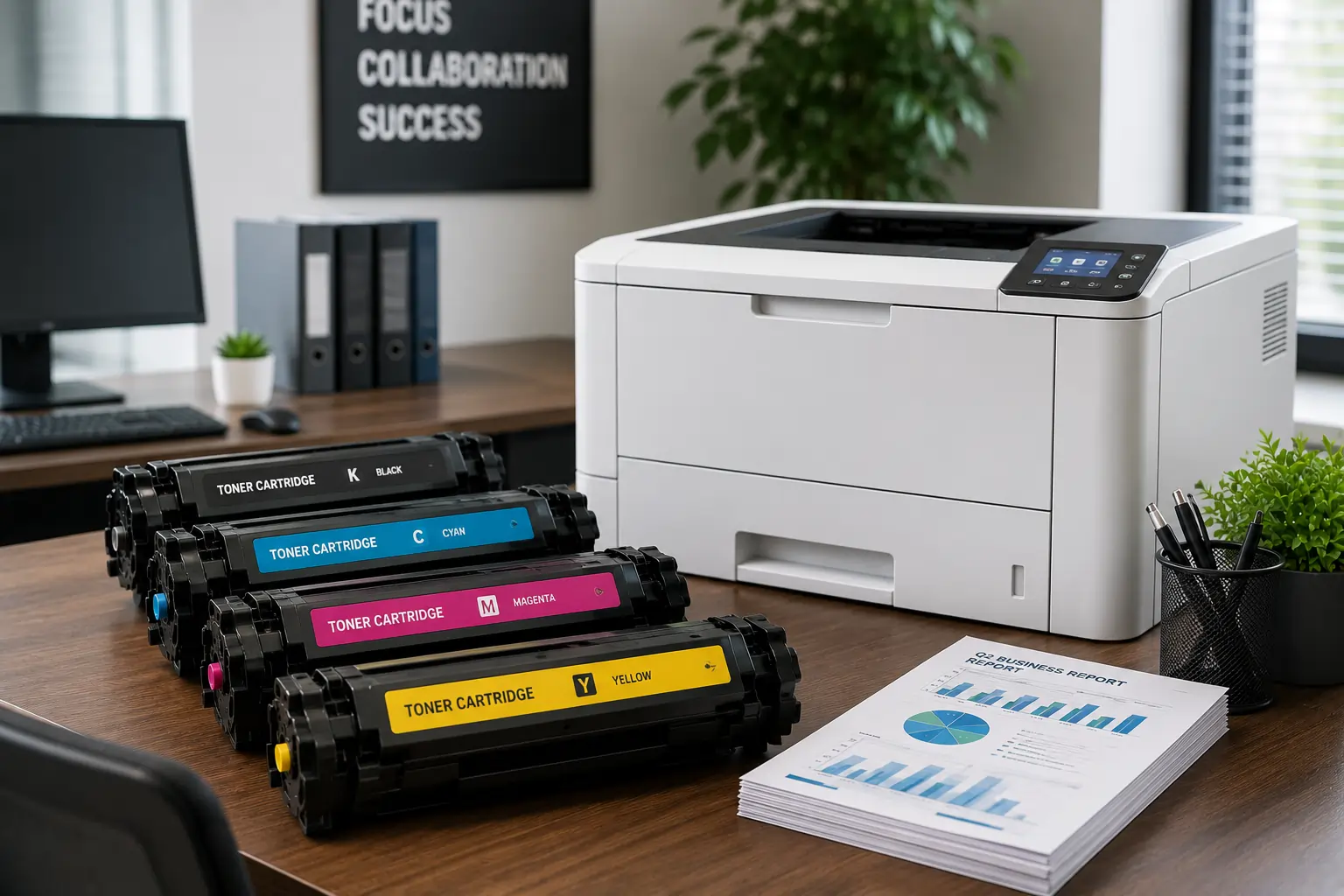
A color printer may provide full color output by combining different channels, usually cyan, magenta, yellow, and black (CMYK). Colour devices perform all the functions of a mono device, but they are more complicated when it comes to print heads, toner drums or cartridges, colour calibration, and image processing.
When colour is not required, some multifunction printers have settings that let them run as mono, which helps save resources.
Benefits of Single-Source Printers
Mono printers often cost less up front, require less maintenance, and require fewer consumables. They remove the possibility of alignment or colour calibration problems because they just require one toner or one drum.
Mono printers typically have cheaper operating expenses per printed page, particularly when it comes to text output. A mono device can be extremely economical for companies where the majority of documents are text-based, such as contracts, notes, bills, or reports.
Because they do not have to deal with the technical complexity of colour channels, monochrome printers are frequently more reliable when used in large quantities. As a result, there are typically fewer points of failure and increased dependability over time.
Print consistency is typically more predictable with mono printers because they don't have colour calibration or registration problems, especially in big batch runs.
Advantages of Colour Printers
Flexibility is the clear benefit. Businesses can create visually rich items that benefit from colour output, such as charts, marketing brochures, presentation handouts, flyers, or reports, by using a colour printer.
When colour is needed, having an in-house colour printer saves money and time compared to outsourcing. Additionally, it enables more precise control over timing, design consistency, and branding.
Strong black and white output is another feature that many colour printers provide, giving you both capabilities in one gadget. This can streamline your hardware fleet and cut down on the number of computers you need to maintain.
Modern printers also have advanced imaging technology and the facility of managing colours in order to either maximise colour quality or save money. These characteristics help lower the cost of colour printing.
Limitations and Trade‑Offs of Each Option
Colour printers typically feature more complicated mechanical components, more consumables (such as numerous toners or inks), and a greater initial cost. Increased maintenance risk or greater repair costs may result from this complexity.
The price per colour page is frequently several times more than the price per monochrome page. If colour is used seldom in an office, these expenses may soon outweigh any advantages.
Particularly with less expensive machines, problems with colour calibration, registration, banding, or misalignment may arise and have a detrimental impact on print quality. It can be necessary to do periodic calibration.
Although they are less expensive to operate for text, mono printers are useless for graphics or marketing work. You will still need a different device or outsourcing if your office ever wants to produce colour content.
A mono printer may become a limiting factor and require additional expenditure in the future if your usage progressively changes to require colour more frequently.
Key Decision Criteria: What Matters Most
Take into account the following factors while deciding between colour and monochrome for your office:
- The percentage of documents that actually need colour. A specialised colour device would be warranted if more than 5 to 10% of the output is colored.
- Your consumables budget. Compare the price per page for different models and be realistic about the number of colour prints you will produce.
- the anticipated life and volume. Purchasing a sturdy colour model can end up being more economical if your printer will be used frequently over time.
- The flexibility you require. With evolution in your business or plans for colours for branding and client documents, selecting a colour printer to begin with can prevent any hassle down the road.
- The difficulties that your support team can manage. You may wish to avoid the difficulties associated with colour printers if you have limited IT/facilities support.
- the additional energy and space needs. Compared to black and white printers, colour printers often use more power.
Use Cases: When It Makes Sense to Go Mono
Mono printers are frequently enough for offices that generate primarily text documents, internal forms, administrative paperwork, or legal filings. Colour output is rarely needed by small clinics, accounting businesses, legal teams, and many back-office functions.
A mono printer is also more dependable in terms of cost control. Keeping an eye on a single commodity makes budgeting easier. In environments where staff utilization or print volume fluctuates, this predictability is beneficial.
Using a mono device helps lower acquisition and operating costs in satellite offices or branches where colour usage is nearly nonexistent.
Use Cases: When Colour Is Required
In-house colour printing is nearly always advantageous for teams working in sales, marketing, or design. Immediate access to high-quality colour output is frequently required for presentation decks, proposals, brochures, posters, and internal marketing.
Internal production of colour prints may be preferred over outsourcing for offices that wish to maintain control over branding quality or when updates occur often. Faster access and control may provide you with a competitive advantage.
A single colour multifunction device might be more practical for hybrid offices, where teams share work, than mixing mono and occasionally outsourced colour prints.
Offices that plan to grow or expand into more design or client communications may want to use a capable colour device from the outset to future-proof.
In conclusion
When it comes to selecting between colour and monochrome printers, there isn't a single answer that works for everyone because it depends on how much colour printing you'll need and how often you'll use them.
It would make sense to use a monochrome printer if the majority of your printing will consist of text and you need to be confident about the price. However, a good colour printer would be ideal if the documents are necessary for your clients or even for internal communication.
Recent Posts
Why It is Important to Choose a Fast Toner Cartridge Supplier in the UAE



Important Printer Components that Every Entrepreneur Should Be Familiar With
Superior Offer:
Quick Installation
Minimal downtime, fast activation
24/7 Response
Always-on urgent support
AMC & Maintenance
Scheduled safety checks
Safety Solutions
Design • Install • Maintain

Superior Office Services: Your trusted partner for printer and photocopier rentals, sales, and comprehensive repair services in the UAE. We deliver premium end-to-end solutions with proactive maintenance.
Key Services
Printer Rental
Printer Repair
Office Products Support
Abu Dhabi, Dubai & India Offices
Mon - Sat 8.00am - 7.00 pm